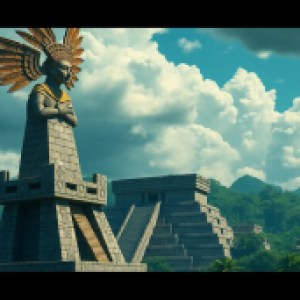
Mayan Legends: A Gateway to Understanding Ancient Wisdom
I. Introduction
Mayan mythology is a rich tapestry of stories, beliefs, and traditions that reveal the ancient wisdom of the Maya civilization. With a history spanning thousands of years, the myths of the Maya provide critical insight into their worldview, values, and understanding of the cosmos. This article aims to explore these ancient legends, shedding light on their significance and the wisdom they convey.
II. The Role of Myths in Mayan Culture
Myths played a vital role in the daily life of the Maya people. They served multiple functions, including:
- Explanation of the Natural World: Myths provided explanations for natural phenomena, such as rain, drought, and the changing seasons.
- Preservation of History: Through stories, the Maya preserved their history and cultural identity, passing down knowledge from one generation to the next.
- Guidance for Behavior: Myths offered moral lessons and guidelines for social conduct, teaching the values of community, respect, and harmony with nature.
In essence, myths were a means of connecting the Maya with their past, their environment, and each other, reinforcing their collective identity.
III. Key Mayan Deities and Their Legends
The Mayan pantheon is filled with fascinating deities, each embodying different aspects of life and nature. Some of the major deities include:
- Kukulkan: Often depicted as a feathered serpent, Kukulkan is associated with wind, rain, and the vital forces of life.
- Ix Chel: The goddess of fertility, medicine, and the moon, Ix Chel is revered for her wisdom and nurturing qualities.
Each deity is accompanied by legends that illustrate their powers and significance:
- Kukulkan’s Descent: This legend describes how Kukulkan descended from the sky to teach the Maya about agriculture and civilization.
- Ix Chel’s Healing: Stories of Ix Chel often highlight her ability to heal and care for the sick, embodying the nurturing aspect of motherhood.
IV. Creation Myths: The Genesis of the Maya World
The Popol Vuh is one of the most important texts in Mayan mythology, chronicling the creation of the world and the origins of humanity. This sacred book tells the story of the gods’ attempts to create beings that would worship them.
Key themes in Mayan creation stories include:
- The Importance of Balance: The creation myths emphasize the balance between the elements, such as earth and sky, life and death.
- The Role of the Hero Twins: The Hero Twins, Hunahpú and Xbalanqué, embody resilience and cleverness, overcoming challenges set by the gods.
- Divine Intervention: The stories reflect the belief that the gods are actively involved in the lives of humans, guiding and testing them.
V. The Underworld: Xibalba and Its Myths
Xibalba, the Mayan underworld, is a place of mystery and fear, often depicted as a dark realm filled with challenges and trials. It plays a significant role in Mayan mythology, particularly in the narratives surrounding the Hero Twins.
Legends featuring Xibalba include:
- The Trials of the Hero Twins: The Hero Twins journey to Xibalba, where they face various tests set by the lords of the underworld. Their cleverness and bravery ultimately lead to their triumph.
- The Creation of Humanity: The myths suggest that the Hero Twins’ adventures in Xibalba were essential in the creation of humanity, highlighting themes of sacrifice and resurrection.
VI. Nature and the Cosmos in Mayan Legends
The Maya had a profound connection to nature and the cosmos, and their legends reflect this relationship. Celestial bodies like the sun, moon, and stars were integral to their mythology.
Key points of connection include:
- Seasonal Cycles: Myths often explain the changing seasons and agricultural cycles, linking them to the actions of the gods.
- Celestial Events: Eclipses, solstices, and other astronomical events were seen as significant occurrences, often interpreted as messages or signs from the gods.
VII. Lessons and Morals from Mayan Legends
Mayan legends are rich with teachings and morals that remain relevant today. These stories impart key lessons such as:
- Respect for Nature: Many legends emphasize the importance of living in harmony with the earth and respecting its resources.
- Community and Cooperation: The tales often highlight the value of working together and supporting one another in the face of adversity.
- Wisdom and Cunning: The stories of the Hero Twins illustrate the importance of intelligence and resourcefulness in overcoming challenges.
Storytelling played a crucial role in imparting these lessons, ensuring that the wisdom of the past was not forgotten but instead passed down through generations.
VIII. Conclusion
Mayan legends serve as a gateway to understanding ancient wisdom and the values of the Maya civilization. Through their rich narratives, we gain insight into their beliefs about the cosmos, nature, and humanity’s place within it. The lessons embedded in these myths remain relevant today, encouraging us to explore and appreciate the depth of Mayan culture.
We invite you to delve deeper into the world of Mayan mythology, discovering the lessons and insights that continue to resonate throughout time.